
Sindhi Halchal Archive
Sindhi History and the Archive
Very few traces survive that narrate the Sindhi experience of the Partition of India. While communities and scholars have turned to Bengali, Hindustani, and Punjabi literary texts and cinema to understand the trauma, memory, the processes of violence, displacement, and the way these inform aesthetics, the Sindhi expressions of the same remain to be engaged with. It is true that Sindh did not witness riots and killing — the holocaust-like turmoil that partition studies tends to concern with, which is perhaps why the lens of violence does not work very well to understand what happened to Sindhis.
In my larger work on Sindhi Studies, I explore other lenses to understand what else, beyond aesthetics, can help one locate traces of Sindhi struggle: script tensions is one of them, and amnesia around cuisine and folklore are others. But there are several others such as the community’s entrepreneurial energy towards settling down and crafting a new identity, other than that of refugees.

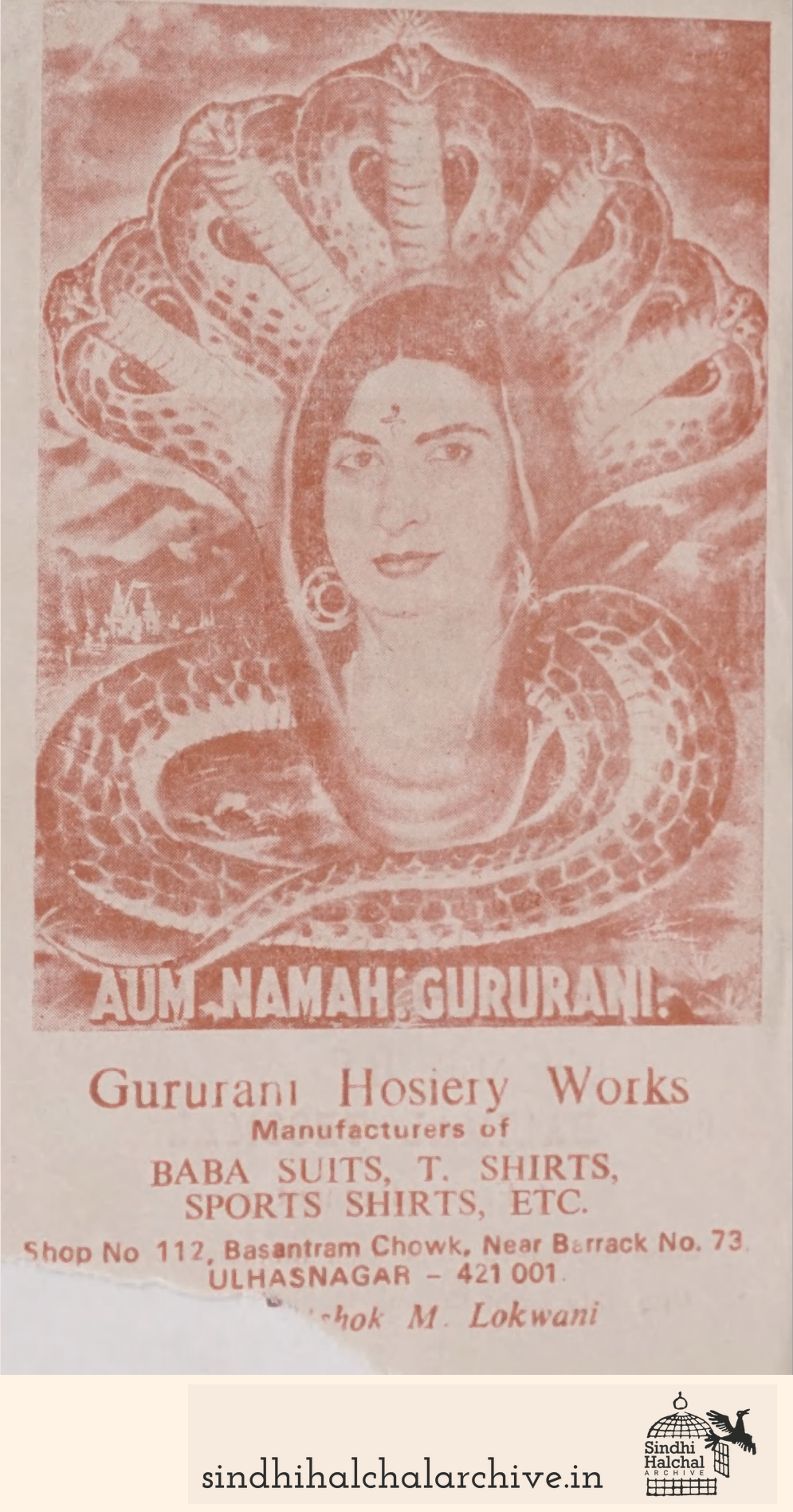
The long-term vision for this archive is three-fold: archival ethnography, opening up of a new way to research South Asian history and economics, and exploration of the relationship between advertising design and the business being advertised. Attention to Sindhi business is not new. But approaching it through print history and book history is new. It is hoped that this archive contributes to the way archival ethnography is imagined in Indian context. For instance, the archives do not speak of incidents of violence, correspondence and official documentation around the political history of the partition, policies for settling the refugees, or memoirs. They also speak of these micro narratives of survival: in this sense every advertisement carries a trace of memoir.
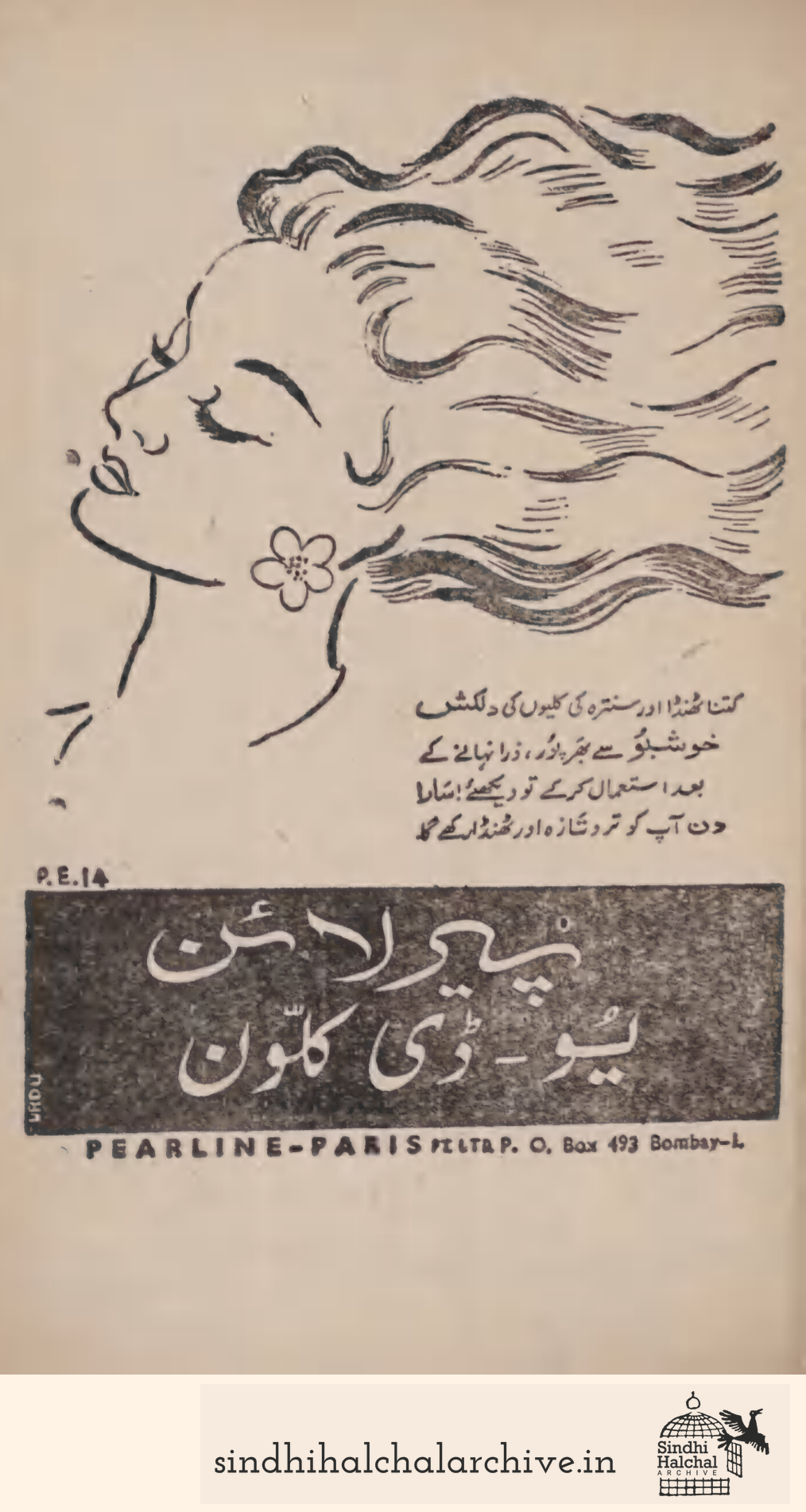
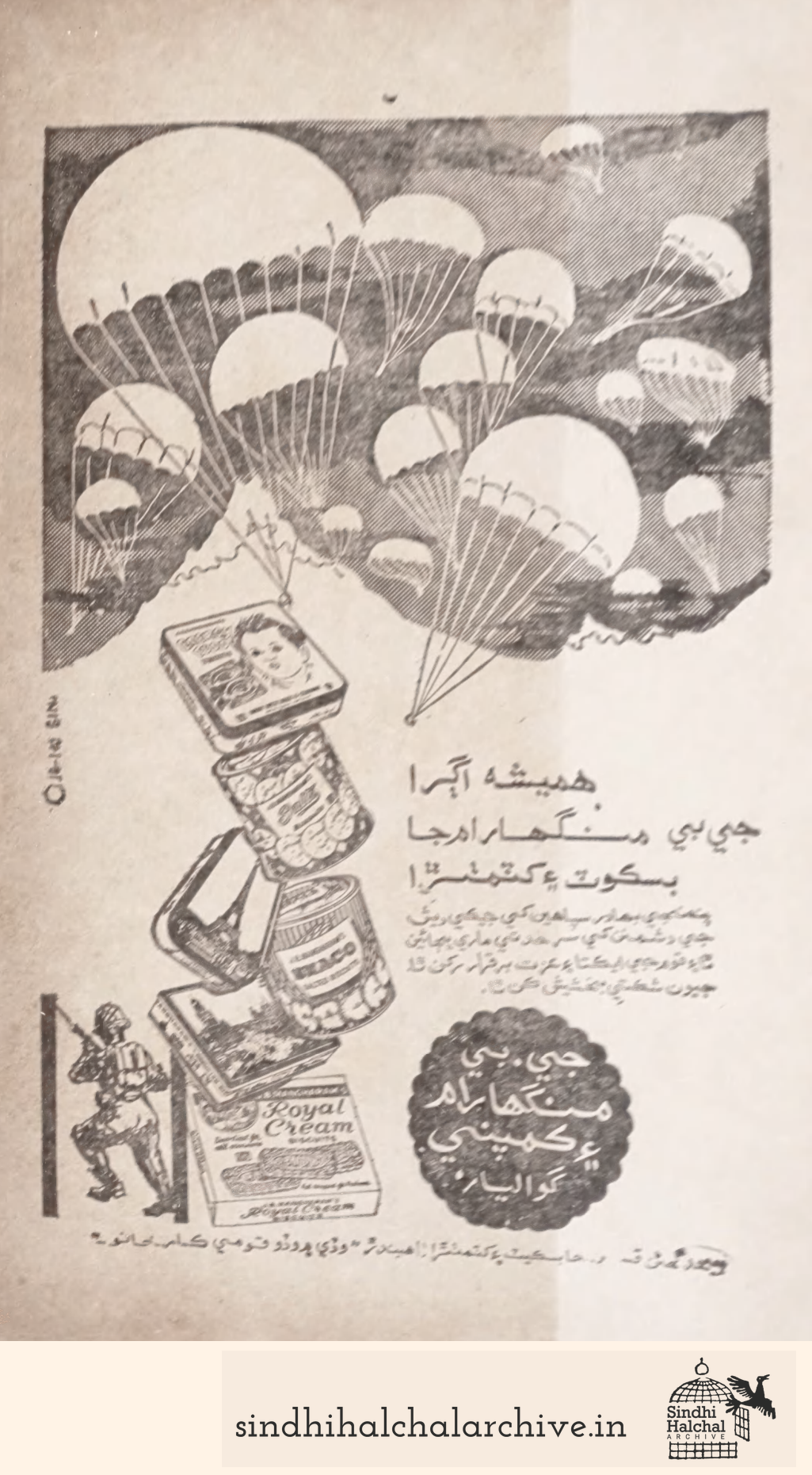
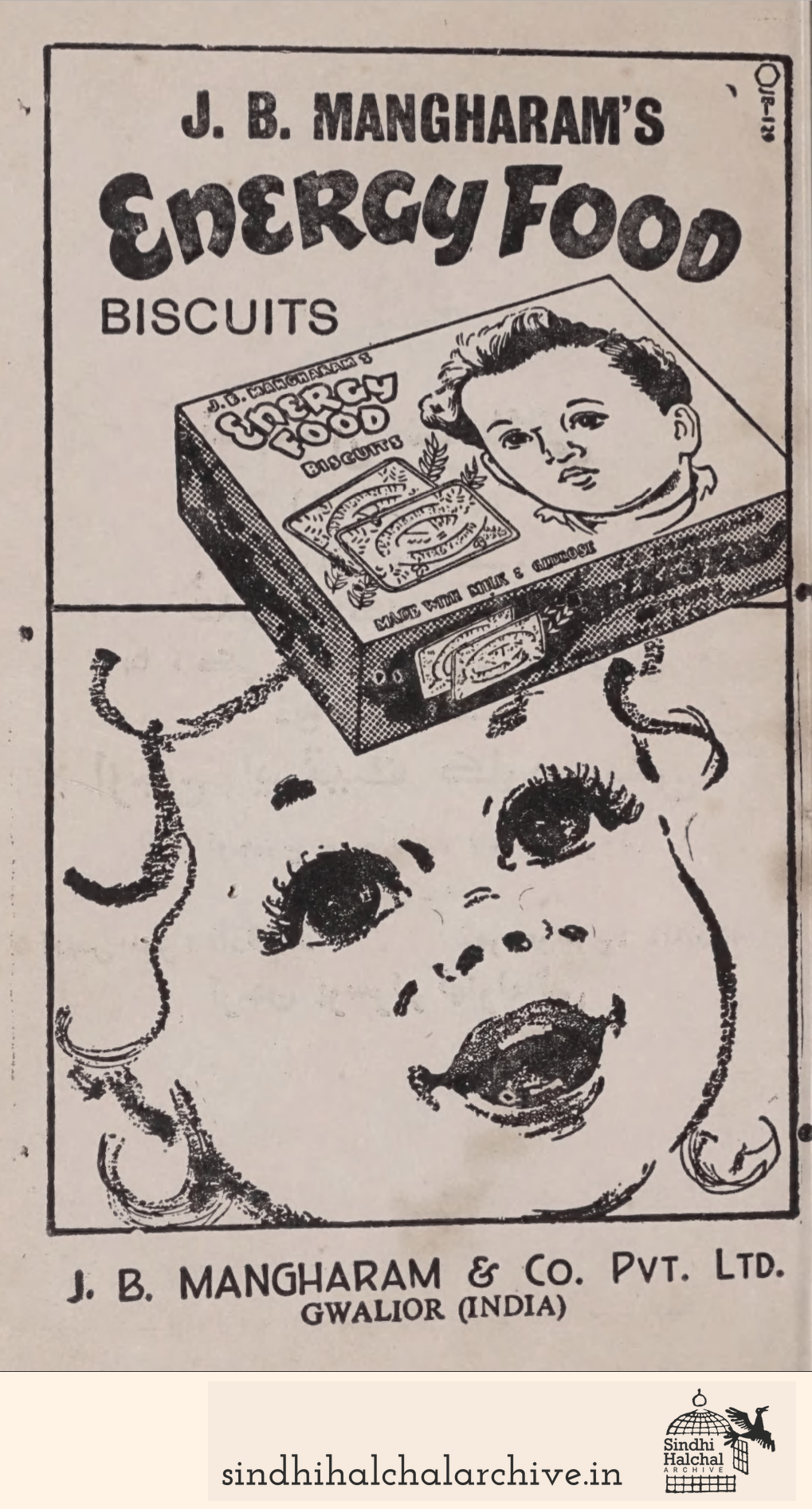
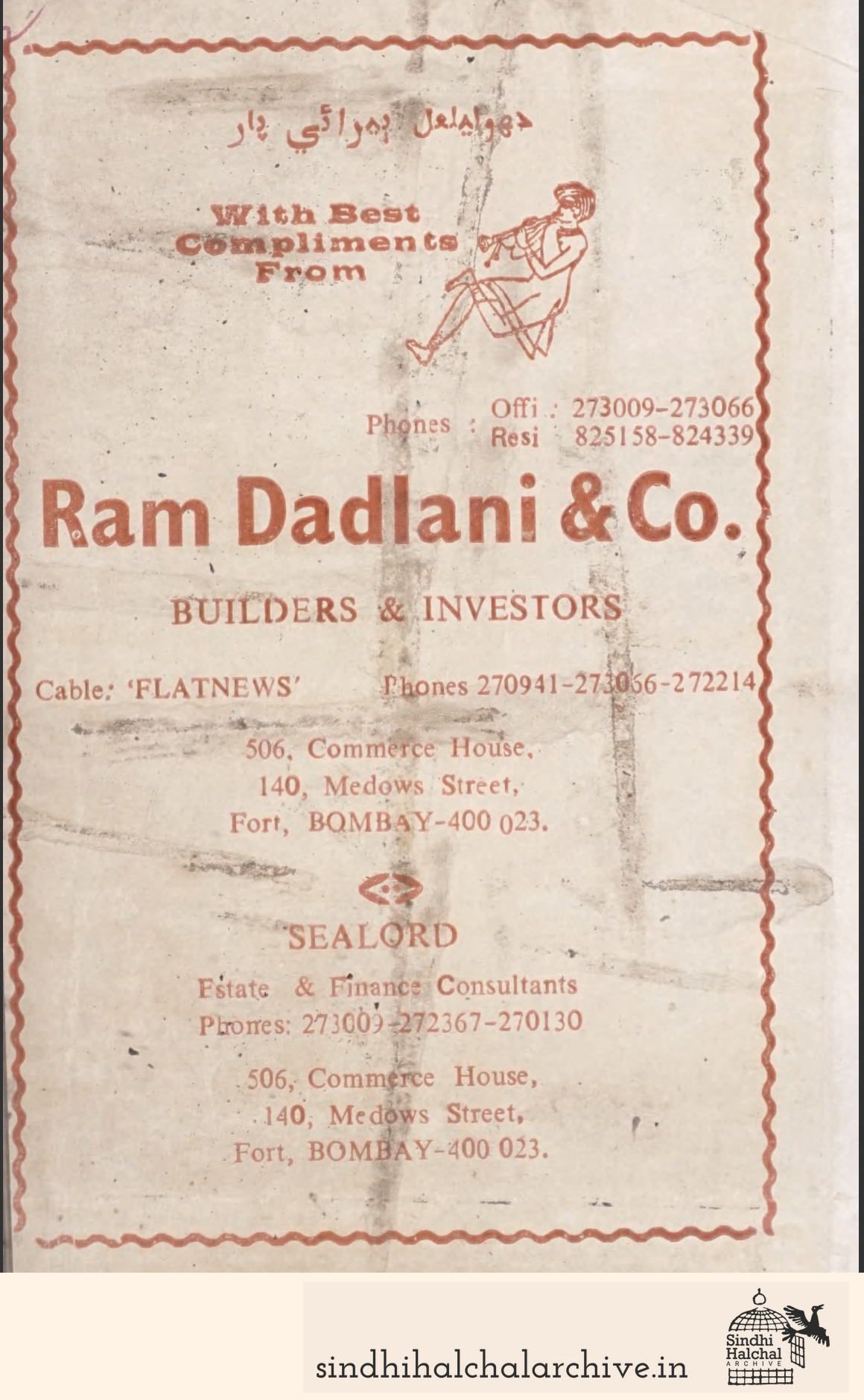
Sindhi Halchal Archive explores Sindhi publishing history in post-partition India as a site of inquiry. The books and magazines published in the early decades of Sindhi settlement in different cities of India carry advertisements that speak of small businesses that entrepreneurs started. The agenda was to advertise the products and services but also to support the publication of Sindhi books. But the advertisements reveal interesting trajectories of geography and types of businesses: these also constitute critical narratives about working with identity.
This digital archive carries the advertisements, along with their English translation (where the advertisements are in Sindhi or Hindi), annotations, and a map of Sindhi enterprises to speak of partition history from the point of view of remaking of lives and communities. The patterns that emerge from this compilation of advertisements could be those of geography, nature of businesses, and language and idiom analyses. Which geography of post partition India did Sindhi businesses occupy and why? What kind of businesses did Sindhi entrepreneurs invest/set up and why? What language and what idioms/turn of phrases did these advertisements signify and why?
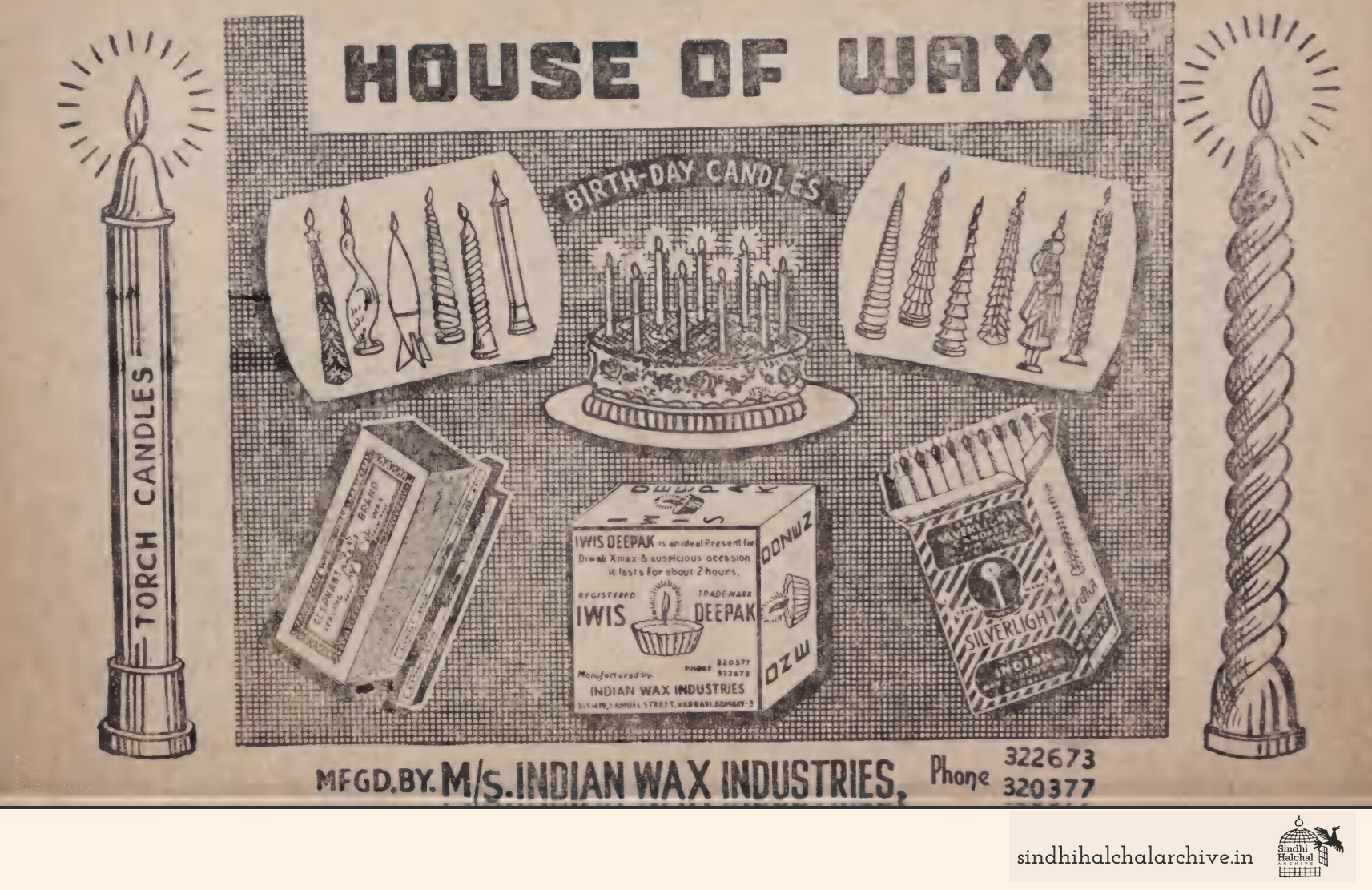
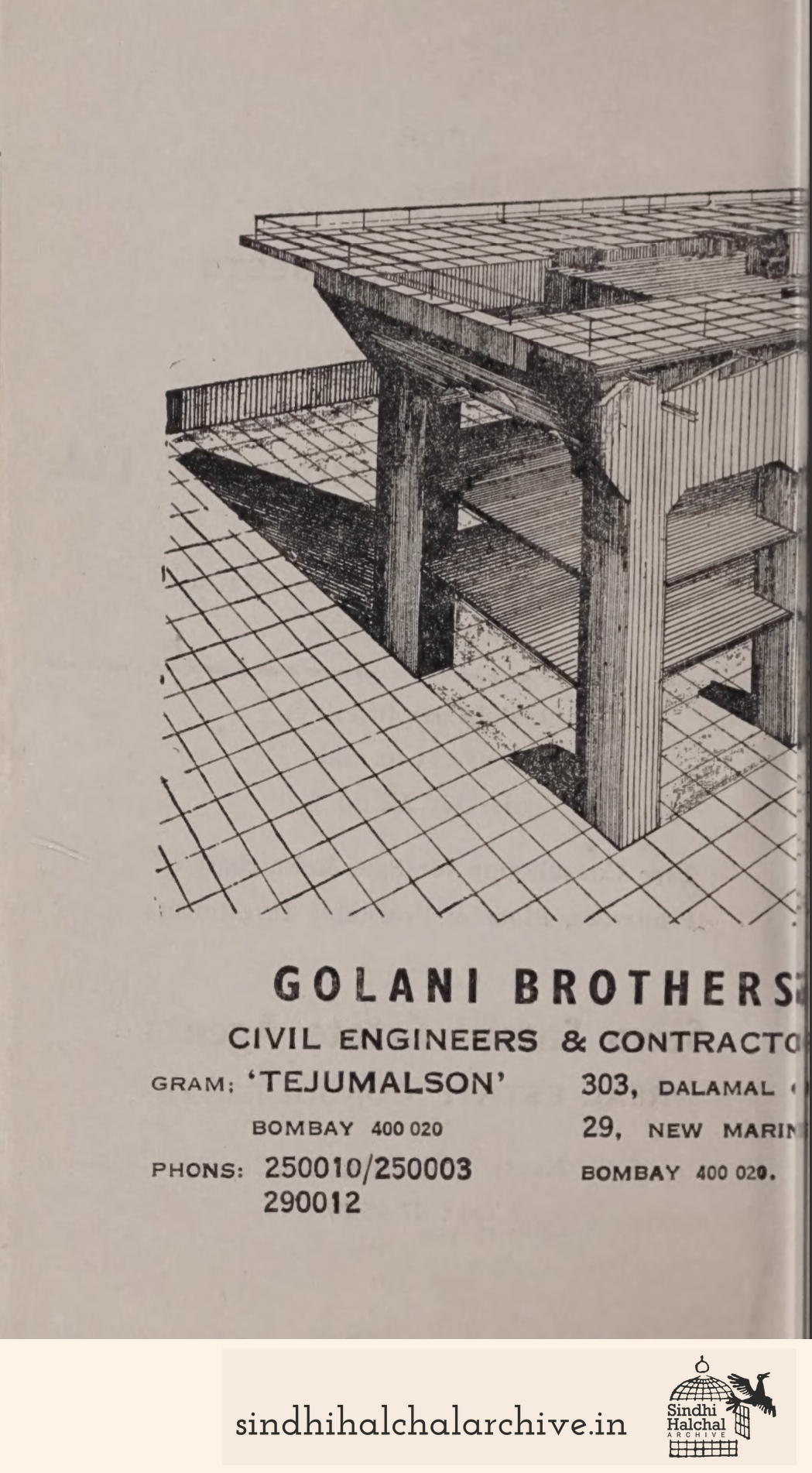
Sindhi Halchal Archive carries the advertisements for any interested users to explore the history of Sindhi businesses and contribute to the archive with material directly related to the project while exploring Sindhis’ family and community histories in their cities. It is imagined as a new way of reaching communities – Sindhis themselves, but also those researching South Asian history and economics. It is hoped that the archive will be found well aligned to the larger Sindhi history in India and might as well expand to these histories of Sindhis settled abroad.
Know a story about this enterprise? Or want to share something about a similar enterprise or locality? Mail at wadhwa.soni@gmail.com