
Sindhi Halchal Archive
Gobindram Dingrani: A Sindhi Bus Builder's Journey from Partition to Prosperity
How the Dingrani family turned post-Partition displacement into enterprise, founding In-Coach Builders and shaping the BEST buses that still move through the streets of Mumbai today.
Nidhi Dingrani shares a personal connection to her family's post-Partition journey. In this article she documents the Partition through the lens of her family's enterprise, tracing the story of In-Coach Builders and its role in Mumbai's city transport landscape. She contributed to the Sindhi Halchal archive to preserve her family history and oral narratives that are often lost over time. She has a background in public policy and works in the development sector.
In-Coach Builders
Partition, Displacement, and Arrival in India (1947)
The foundation of In-Coach Builders is rooted in the upheaval of 1947, when the Dingrani family migrated from Sindh to India following the Partition. Gobindram Dingrani, who had been working in a motor company prior to Partition, migrated to India with his family carrying with him technical skills but little material stability. Like many Sindhi refugees, the immediate years after migration were defined by uncertainty, adaptation, and the search for livelihood in an unfamiliar urban landscape.
Shortly after arriving in India, Gobindram Dingrani briefly travelled back to Karachi, where he attempted to find employment and even joined the police force for a short period. However, the atmosphere had become increasingly hostile for Hindus after Partition. Since he had an "Om" symbol tattooed on his wrist, it was unsafe for him to stay there. Within a few weeks, he returned to India, where the family had begun rebuilding their lives.
Early Years
Before finding stable employment, the family navigated the informal economy that many refugee households depended on. For a period, Gobindram sold goods such as umbrellas as a street vendor while searching for more secure work. Eventually, his technical training (a diploma in automotive engineering) enabled him to secure employment with the State Transport system in Bombay. There he gradually rose to supervisory roles, gaining valuable experience in vehicle fabrication and transport operations. This phase was crucial, as it allowed the family to stabilise financially while also building technical credibility.
Many Sindhi families who arrived in Bombay were temporarily housed in refugee settlements. The Dingrani family lived in Sion colony, which had originally been a racecourse before being converted into housing for displaced families. Early structures in the colony consisted largely of hutments and makeshift dwellings. Gobindram's wife, Kaushalya, sold some of her jewellery in order to purchase a small plot and secure a more stable home for the family in the settlement.
From Experience to Enterprise: Founding of India Body Builders (1961)
After gaining technical experience in bus body building and transport systems in Mumbai, Gobindram Dingrani sought to establish an independent enterprise that would provide long-term stability for his displaced family. During his time in State Transport, Gobindram worked closely with colleagues in the transport engineering sector. One of them, a Maharashtrian associate named Mr. Sabnis, eventually proposed that they leave salaried employment and establish a private enterprise in vehicle body building. With the support of a Gujarati financial sponsor- Thakersey Bhai, a partnership was formed that combined technical knowledge with financial backing. This collaboration led to the establishment of India Body Builders, the precursor to the family's later enterprise. This partnership model allowed the business to enter the transport body-building sector and secure institutional work.
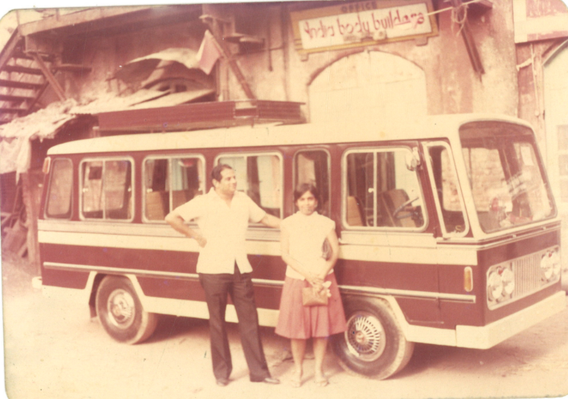 India Body Builders factory at Bhavani Shankar Road, Dadar, Mumbai (circa 1961)
Before the business fully consolidated in Bombay, the partners briefly experimented with operations outside the city. For a period, the bus body building work was undertaken in Jamshedpur, where demand from industrial transport systems was strong. However, the city also faced a shortage of skilled labour, as many workers were already employed in the Tata steel and manufacturing ecosystem. After approximately two years, the enterprise shifted its base back to Bombay, where operations continued under the name India Body Builders.
Over time, Gobindram gained expertise and autonomy and he chose to step away and restructure the business around family participation, reinforcing a model of trust, skill, and shared responsibility.
A Multi-Generational Family Enterprise: In-Coach Builders (1980s)
The enterprise gradually evolved into a family-led venture by the name "In-Coach Builders." Gobindram was eventually joined by his 4 sons in the business. This generational collaboration reflected a common Sindhi rehabilitation pattern after Partition, where education, technical skill, and family labour converged to rebuild economic stability in new urban settings. In the initial days, they operated from 2 different factories, one in Dadar and the other Kalina. Accordingly, their work and time commitment was divided between 2 locations.
Growth, Industrial Struggles, and the Decision to Build Independently
The journey of the enterprise was marked by resilience rather than linear success. The family faced pressures regarding the usage of a massive plot for legal industrial activity and even incidents such as fire damage to the factory premises.
Instead of retreating, these challenges strengthened their resolve. Circumstances led them to a decisive shift: the family decided to acquire their own land and build a permanent factory.
Establishment of the Vikhroli Factory and the Transition to In-Coach Builders
After years of disciplined savings and a conscious decision to avoid heavy borrowing, the family acquired a large plot in Vikhroli. The factory was constructed gradually, first securing funds, then building compound infrastructure, and eventually establishing a full-fledged industrial unit. This slow, step-by-step growth embodied the ethos of enterprise: rebuilding through patience, dignity, and sustained hard work rather than rapid expansion.
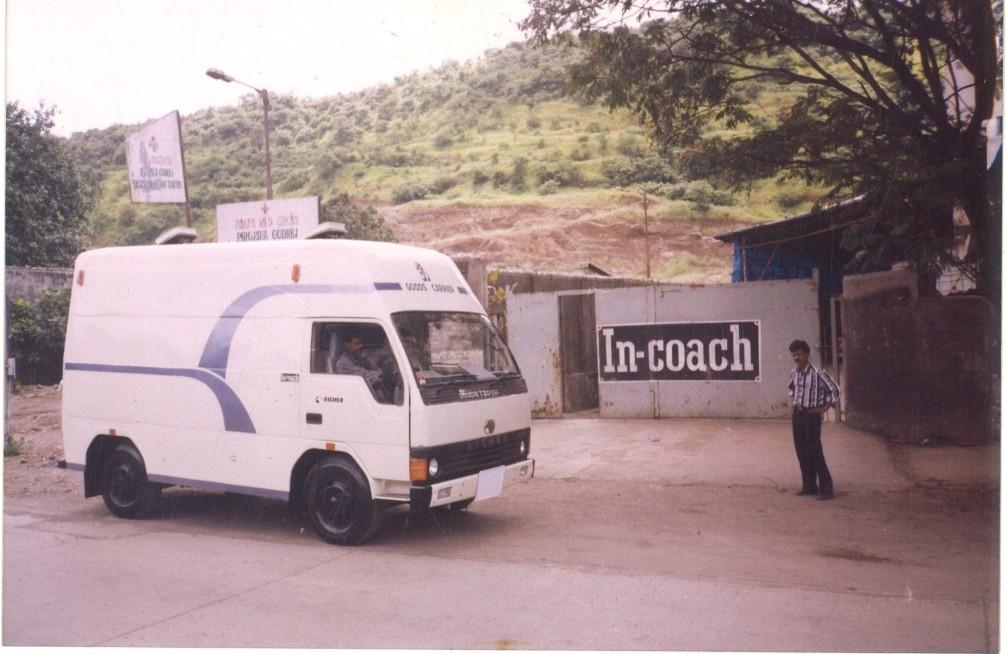
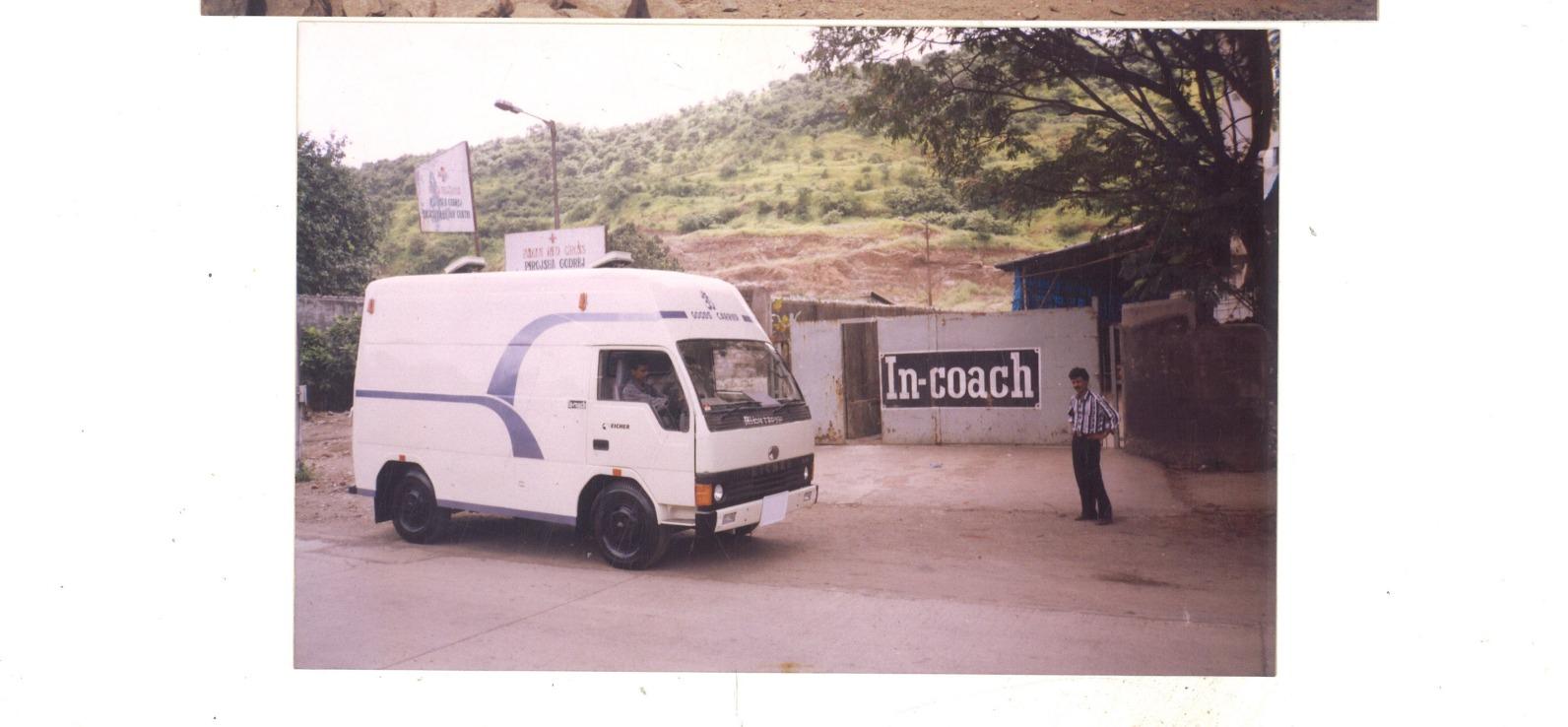 The In-coach Builders factory in Vikhroli, Mumbai (circa 1980)
Types of Vehicles and Specialised Fabrication Work
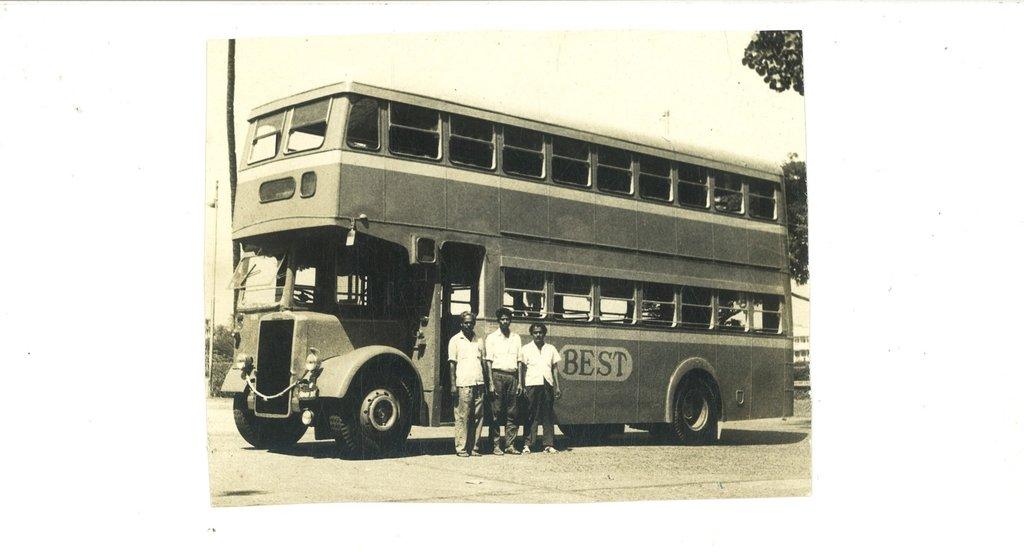
While bulk production for transport systems formed the core of the business, the firm became known for its technical versatility and specialised vehicle fabrication. The firm was distinguished by its technical pioneering, being the first to manufacture several innovative vehicle types. They were the first bodybuilders for Midi buses (shorter length buses) and the first to introduce double-decker sightseeing buses when BEST decided to end the manufacturing of traditional double-deckers.
Standard and Transport Vehicles
- City buses for BEST (Mumbai)
- Buses for PMT (Pune Municipal Transport) and PCMC (Pimpri-Chinchwad Municipal Corporation)
- Vehicles for KSRTC (Karnataka State Road Transport)
- State transport buses across multiple regions
- Double-decker bus structures
- Midi buses (shorter than conventional buses)
Special Purpose and Custom Vehicles
- Blood bank on wheels
- Airport disaster response vehicles
- Dog vans and mobile dispatch units
- Car carriers
- Mobile libraries and mobile service units
Cultural, Religious, and Innovative Vehicles
- Mobile temples for ISKCON and religious celebrations
- Mobile gurdwaras
- "Beauty on Wheels" mobile beauty van for Pond's Institute
- Vanity vans for the film industry (which later inspired the next generation's business ventures)
These specialised projects were often more research-intensive and less profit-driven, but they carried prestige and reflected the firm's technical innovation and creative adaptation.
Range of vehicles over the years
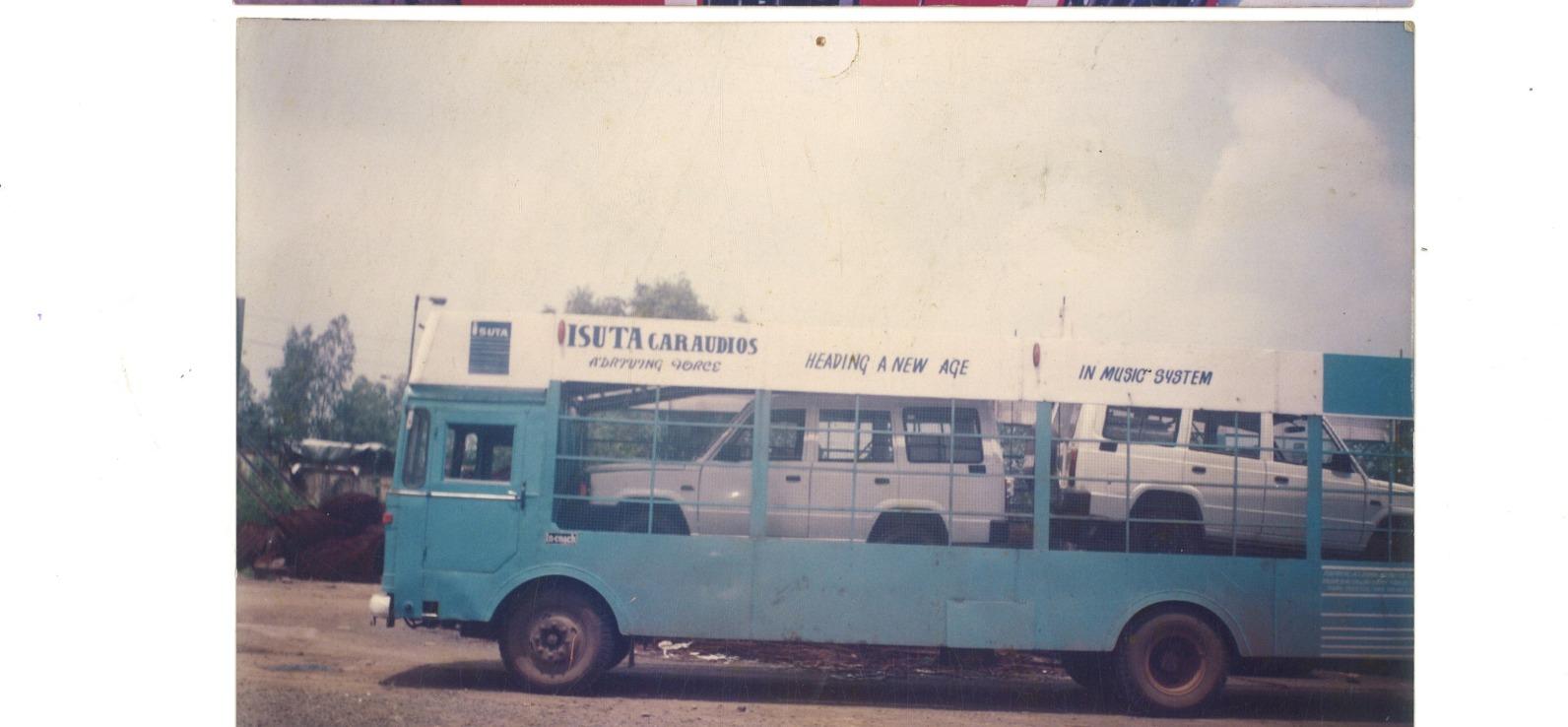 Early days - BEST double decker bus
 Car carrier
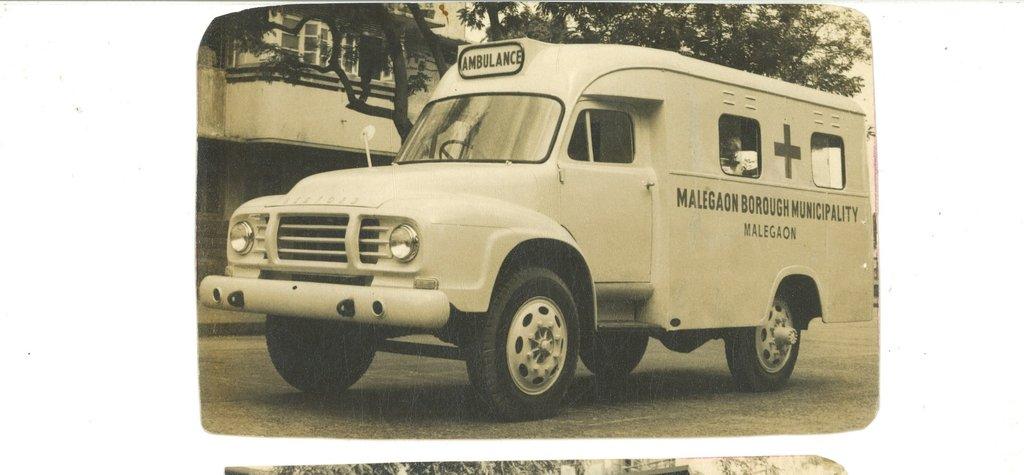 Ambulance for Malegaon Borough Municipality
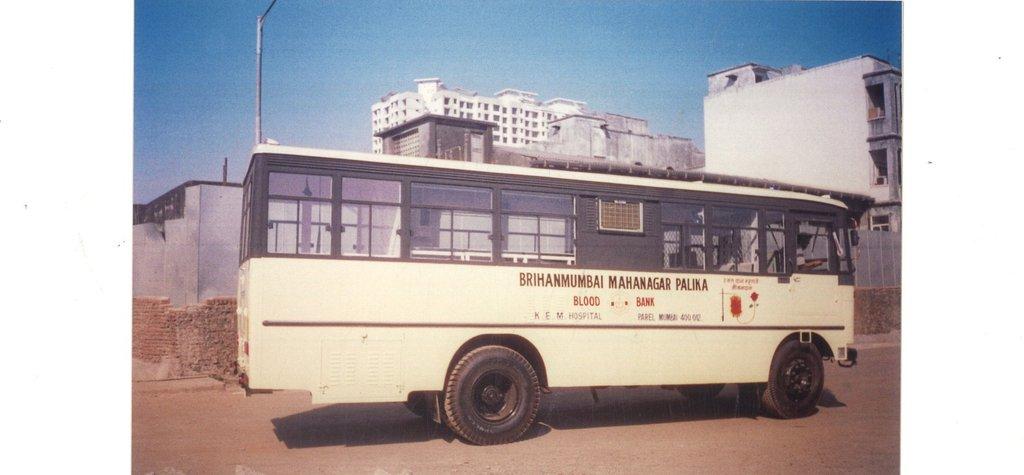 Blood bank on wheels for KEM Hospital
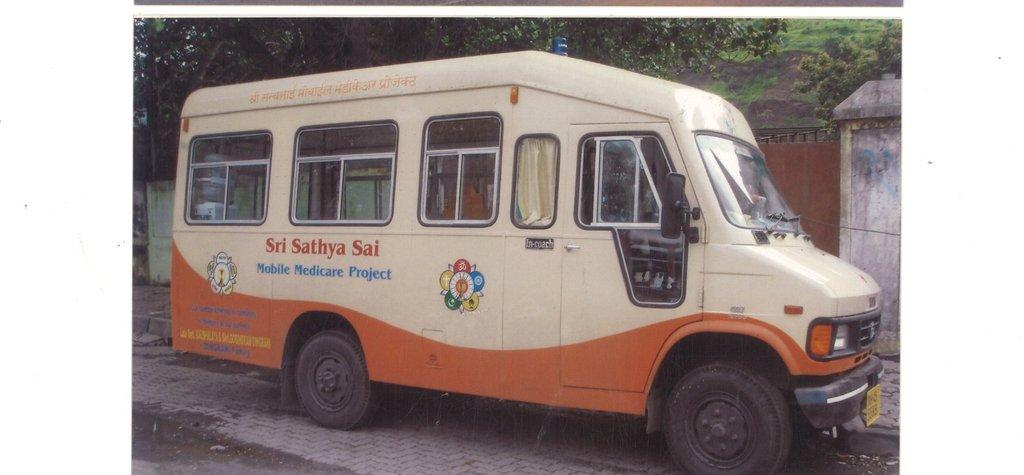 Clinic on wheels for Sri Sathya Sai Baba Trust
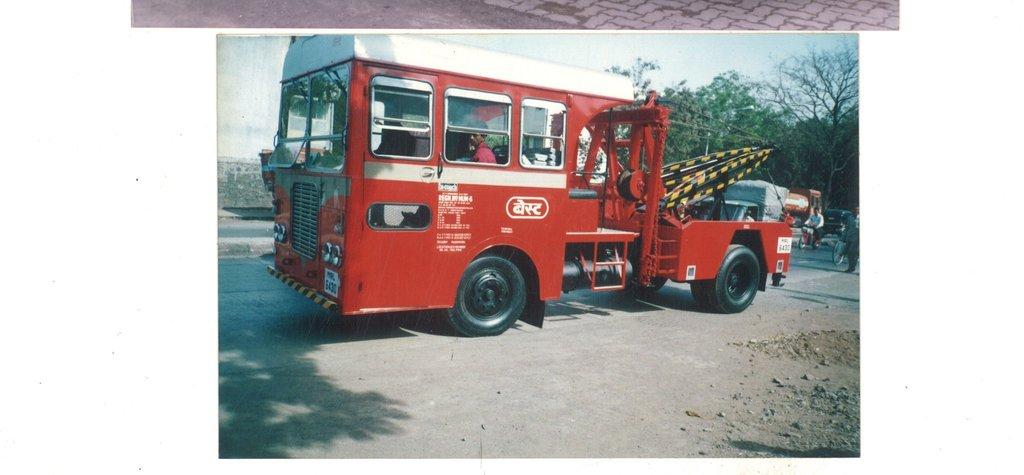 Towing Vehicle
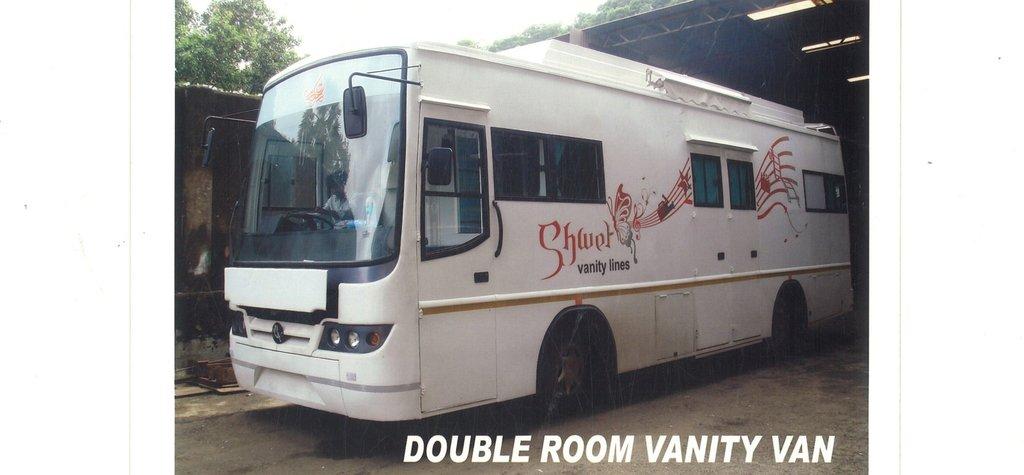 Double Room Vanity Van
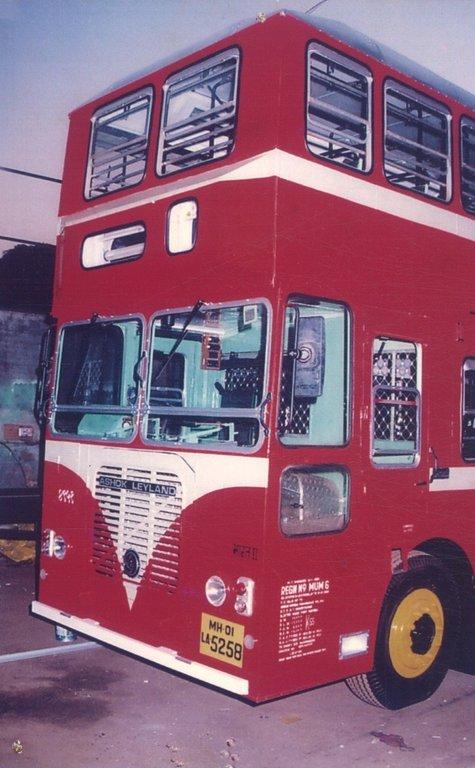 BEST double decker bus
Division of Labour and Industrial Organisation
The factory operated through a structured yet flexible system that combined skilled contractors, migrant labour, and family management. Work was divided both technically and administratively to ensure efficiency in large-scale vehicle body building.
Core Technical Skill Divisions
- Structural Fabrication: Frame and structural body construction
- Paneling and Tinsmith Work: External body paneling and finishing surfaces
- Final Finishing and Interior Work: Seats, accessories, wiring, and final assembly
Additional specialised roles included painters, blacksmiths for component fabrication, and in-house tailoring for interiors. Contractors typically supervised small teams of workers under each skill category, creating a layered and skill-based production system.
Within the family, responsibilities were also clearly distributed- tendering and costing were handled by senior partners, production management by technically experienced members, and finance, purchase, and marketing by other partners- reflecting a disciplined internal governance structure.
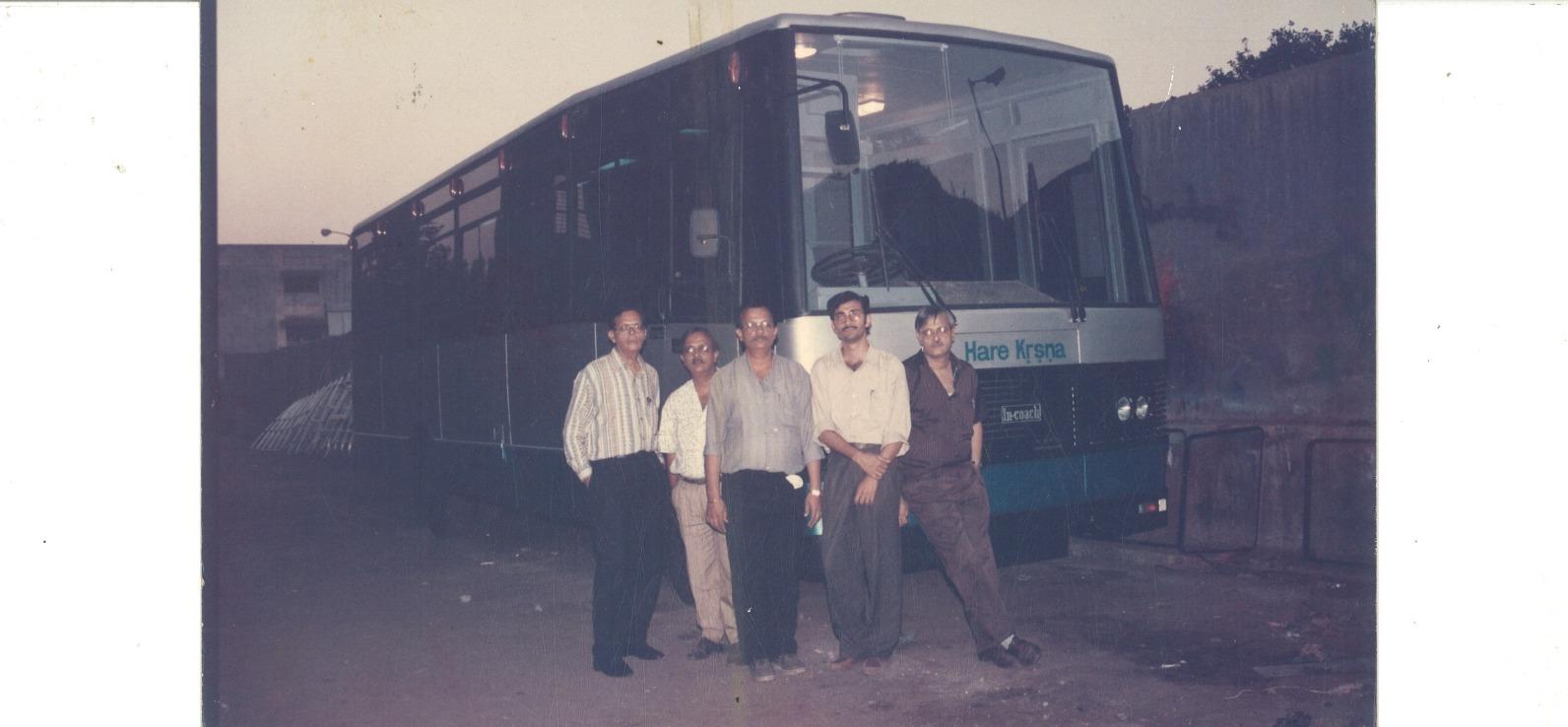 The Dingrani Brothers at the Vikhroli factory (circa 1996). Vehicle in picture- Temple on wheels for ISKCON to commemorate 100th Birth Anniversary of A. C. Bhaktivedanta Swami Prabhupada.
Diversification, Market Changes, and Strategic Adaptation
Although the enterprise achieved steady growth through bulk transport orders, structural shifts in the market eventually posed new challenges. The increasing import of cheaper buses, particularly from international manufacturers, reduced the profitability of large-scale body building on high-value urban land.
Recognising these sectoral and market trends, the family made a strategic and pragmatic decision to adapt rather than persist rigidly. Portions of the industrial property were later leased to major companies, demonstrating foresight and financial prudence rather than decline.
Fulfilment, Legacy, and the Spirit of Sindhi Enterprise
The story of In Coach Builders is not simply about a company. It is about the transformation of displacement into enterprise, and enterprise into public infrastructure. Every morning, when a red BEST bus pulls away from a stop and merges into the city's crowded roads, it carried within it a small part of this story. What began as a modest venture built on technical skill and deep family commitment grew, over the years, into a meaningful contribution to public transport- one woven into the very rhythms of urban Mumbai.
Their story also belongs to a larger, remarkable chapter of post-Partition India. Like most Sindhi families who arrived in unfamiliar cities with little more than resilience and determination, they rebuilt their lives from the ground up: no inherited capital, no institutional backing, only skill, disciplined effort, and an unshakeable sense of purpose. This journey is one of quiet dignity and real courage: a reminder that some of the most enduring contributions are made not with grand recognition, but with perseverance, and an abiding will to belong.